
Getting in
Edinburgh Airport has no railway station. Two options run to the centre:
- Airlink 100, a blue double-decker bus, runs 24 hours a day via Haymarket and Princes Street to Waverley Bridge, next to the main railway station. It takes 20 to 30 minutes.
- Edinburgh Trams run from the airport along Princes Street to York Place and on to Leith and Newhaven. The ride to the centre takes about 40 minutes; buy the ticket from the machine at the stop before you board. Edinburgh Trams
Trains from London King's Cross arrive at Waverley, in the valley between the Old and New Towns.
The Old Town and the New Town
The Old Town runs down a ridge from the Castle to the Palace of Holyroodhouse; the street along the top, in several sections, is known as the Royal Mile. Narrow closes and wynds drop off it on both sides. Across the valley, the New Town was laid out in the 18th and 19th centuries as a grid of Georgian streets and squares. Together they were listed as a UNESCO World Heritage Site in 1995.
- Edinburgh Castle, on Castle Rock, is the city's most visited sight; book a timed ticket in high season.
- National Museum of Scotland, on Chambers Street, is free and big enough for an afternoon.
- Holyrood: the palace is still a royal residence, and the modern Scottish Parliament building stands opposite.
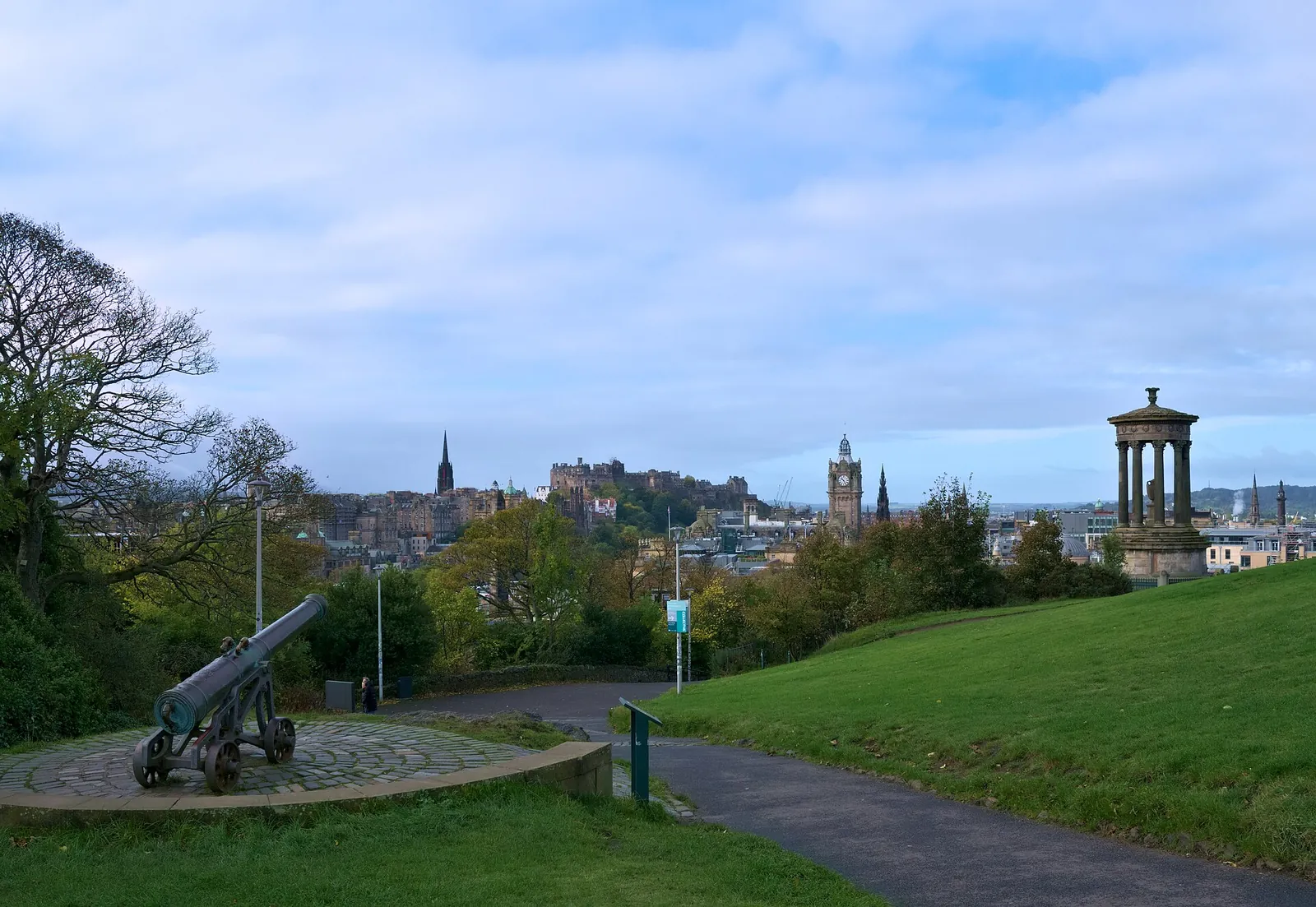
- Calton Hill, at the east end of Princes Street, gives the classic view of the Old Town and the castle for a short climb.
Arthur's Seat
The hill that looms over Holyrood Park is an extinct volcano, active some 350 million years ago. The easiest way up starts on the far side of the hill, away from the city; the paths near Salisbury Crags are steeper and exposed. The top is often windy even on a calm day in town, and the rock is slippery after rain.
Ayrshire: Burns country and the Clyde coast
Ayrshire's railway lines start at Glasgow Central, with trains every 30 minutes towards Kilwinning, where the line splits: one branch goes up the coast to Largs, the other south via Troon and Prestwick to Ayr. Edinburgh to Glasgow by train takes under an hour. ScotRail
- Alloway, a village on the southern edge of Ayr, is where Robert Burns was born in 1759. The thatched cottage, the ruined Alloway Auld Kirk and the Brig o' Doon from his poem Tam o' Shanter are a short walk apart, and the Robert Burns Birthplace Museum is run by the National Trust for Scotland.
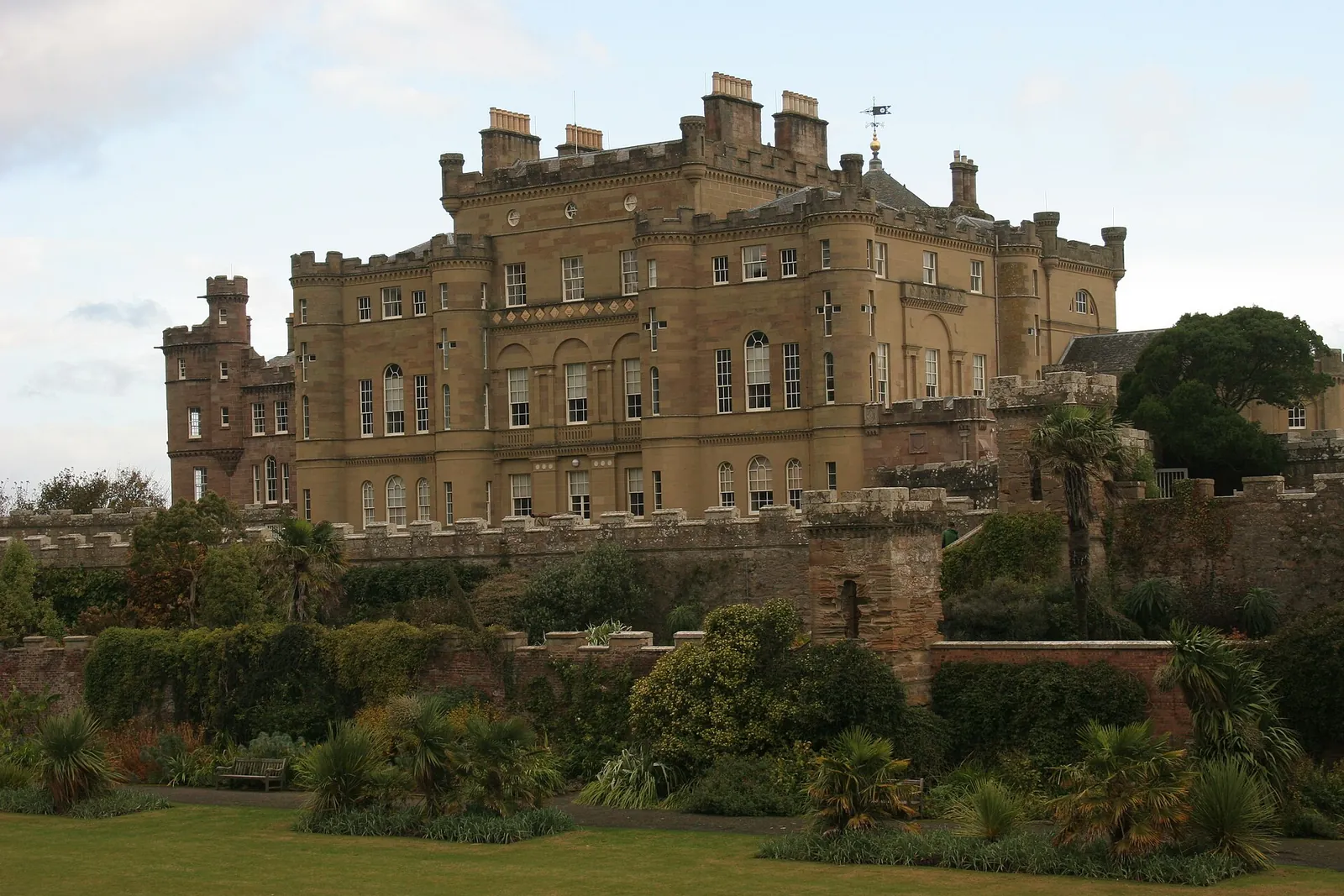
- Culzean Castle, about 12 miles (19 km) south of Ayr, stands on a clifftop above the Firth of Clyde. Robert Adam rebuilt it for the Earl of Cassillis between 1777 and 1792; the Kennedy family gave it to the National Trust for Scotland in 1945. The castle opens from spring to autumn, the country park all year (National Trust for Scotland).
- Turnberry, further south, is known for its golf links and lighthouse. The scant ruins of Turnberry Castle nearby are thought to be the birthplace of Robert the Bruce.
When to go
May to September is the most comfortable time: never stifling, with very long evenings in June. Edinburgh sits on exposed ridges and the wind is a constant; expect rain on any day of the year and pack accordingly.